Want to Find Out More About our Process Safety support?
We will provide bespoke solutions that are the right fit for you and your team.
Knowing what to do in an emergency is critical to optimising the response and minimising the risk posed to people and the environment.
We are specialists in working with sites to develop effective response strategies to manage releases of hazardous substances.
We specialise in facilitating investigations following an incident or a near miss in order to fully understand what occurred and find the underlying causes. It is critical to delve into incidents after they happen to ensure that lessons are learnt and further measures are implemented to prevent recurrence of the dangerous event.
We implement recognised industry techniques to study incidents to determine the timeline and uncover the underlying causes. For incidents that may simply be attributed to ‘human error’, investigations will highlight the performance influencing factors that lead to a human acting in the way they did, which can then be improved upon to minimise the potential for recurrence.
Whether you have had a dangerous occurrence or a recordable near-miss, we can support you in conducting a thorough investigation to find the root causes and ensure that risks are appropriately managed.
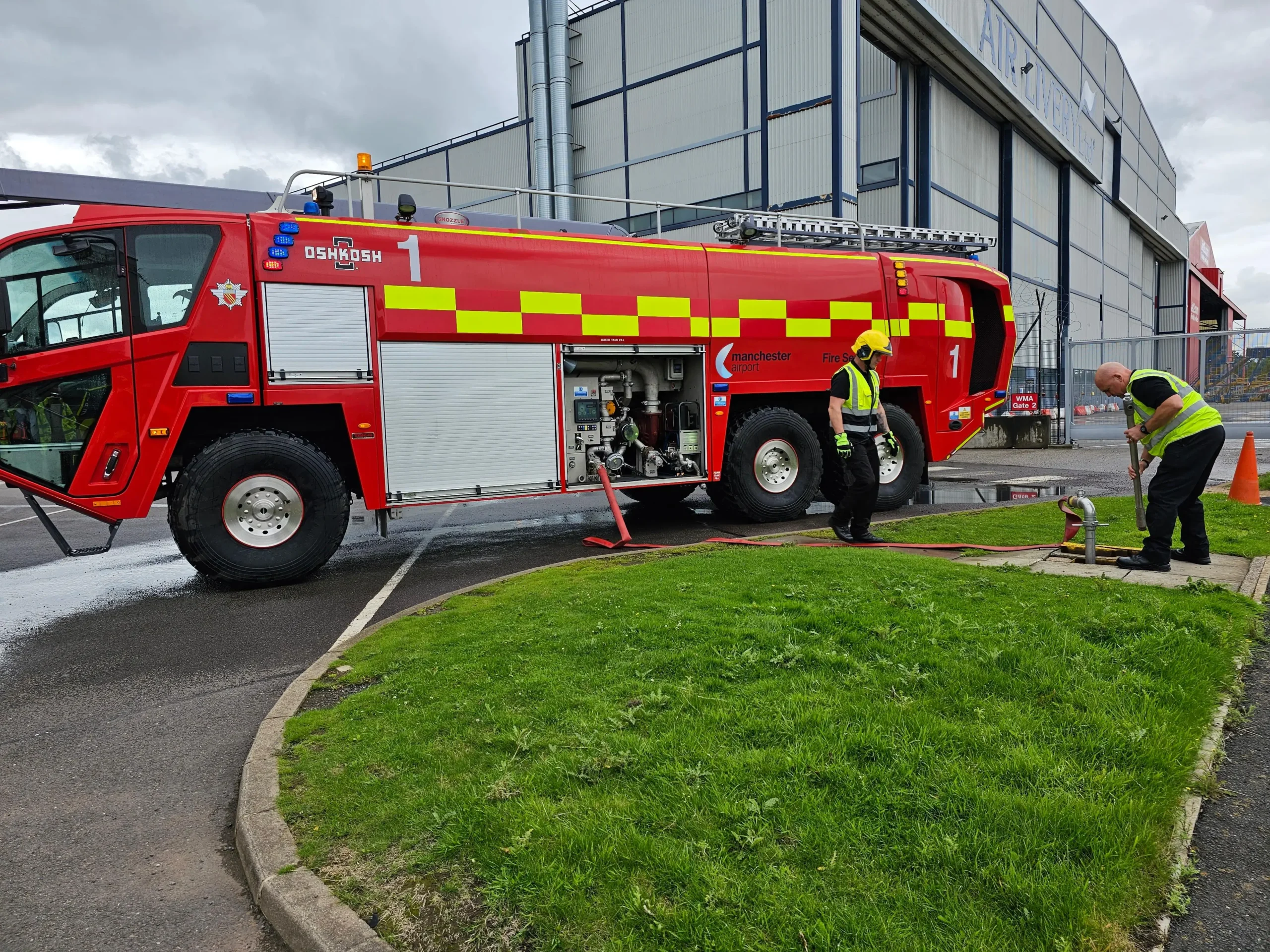
We utilise our expert knowledge on major accident hazards to develop effective response plans for emergencies.
The measures to implement in an emergency will depend upon the nature of the substance, the process and the hazards identified – RAS can provide bespoke advice and support to develop response strategies that work for you. Our risk analysis expertise will provide you with confidence in your firefighting strategies as well as fire water management.
Whatever the scale of your operation, it is essential that appropriate response measures are in place to contain and remove hazardous substances should they escape primary containment. The response plans should provide clarity so that in an emergency the plans can be ‘grab and go’.
RAS also offer support with exercises and testing of emergency response plans. We develop and run tabletop and live exercises to identify any gaps in preparedness measures.

RAS have significant experience in compiling environmental emergency response plans for clean-up contractors which detail all the information required in addition to recommending suitable response measures for different release cases.
Effective mitigation of environmental harm is highly dependent on the time it takes to respond; therefore, the information provided to emergency services must be concise and specific to release cases. RAS has a wealth of experience working with a number of response firms to develop effective emergency plans to meet the expectations required by the HSE but also to prevent environmental harm should a release occur.

We will provide bespoke solutions that are the right fit for you and your team.
Hazard identification is evaluating processes and systems to identify potential causes that could result in hazardous consequences. We specialise in helping our clients understand and manage complex risk. Only once your hazards are properly understood can they be managed.
Hazard identification is the bedrock of risk assessment. If the hazard identification technique is incorrect or quality of the study is poor, then all risk analyses, assessments and decisions made based on those studies are of equally low quality, and you cannot be sure that your risks are appropriately managed.
A key area of our expertise is compliance with the requirements of the Control of Major Accident Hazards (COMAH) Regulations 2015, which are designed to minimise the risk of major accidents involving dangerous substances to protect both people and the environment.
Operators of COMAH sites, whether they are a Lower or Upper Tier, must demonstrate that they have taken all measures necessary to minimise the risk of major accidents.
Aspects required under COMAH include a Major Accident Prevention Policy (MAPP), a robust risk assessment, emergency response procedures and for upper tier sites, a COMAH safety report.
We can work with you to develop a bespoke plan that is the right fit for you and proportionate to the level of risk and scale of your operations.
We are innovative, creative and agile. Every piece of work we undertake is bespoke to the needs of our clients.
We have a holistic approach to complex risk management, developing smart solutions which work for you.
Can’t find what you’re looking for? Contact our team here.

We bring clarity to help you understand your risk, transforming complex assessments into concise outputs.

To protect our planet, we must evaluate and manage the risk posed to the environment by hazardous substances and processes.

Managing human factors is key to preventing major accidents but is also beneficial for system performance and business productivity.
Find out what our team have been up to lately.
We are proud to announce that RAS is a certified #BCorp!


Natural Hazards Triggering Technical Disasters (NaTech) are an ever-growing challenge for the high hazard industries, but how do we assess and manage the risk associated with these events?

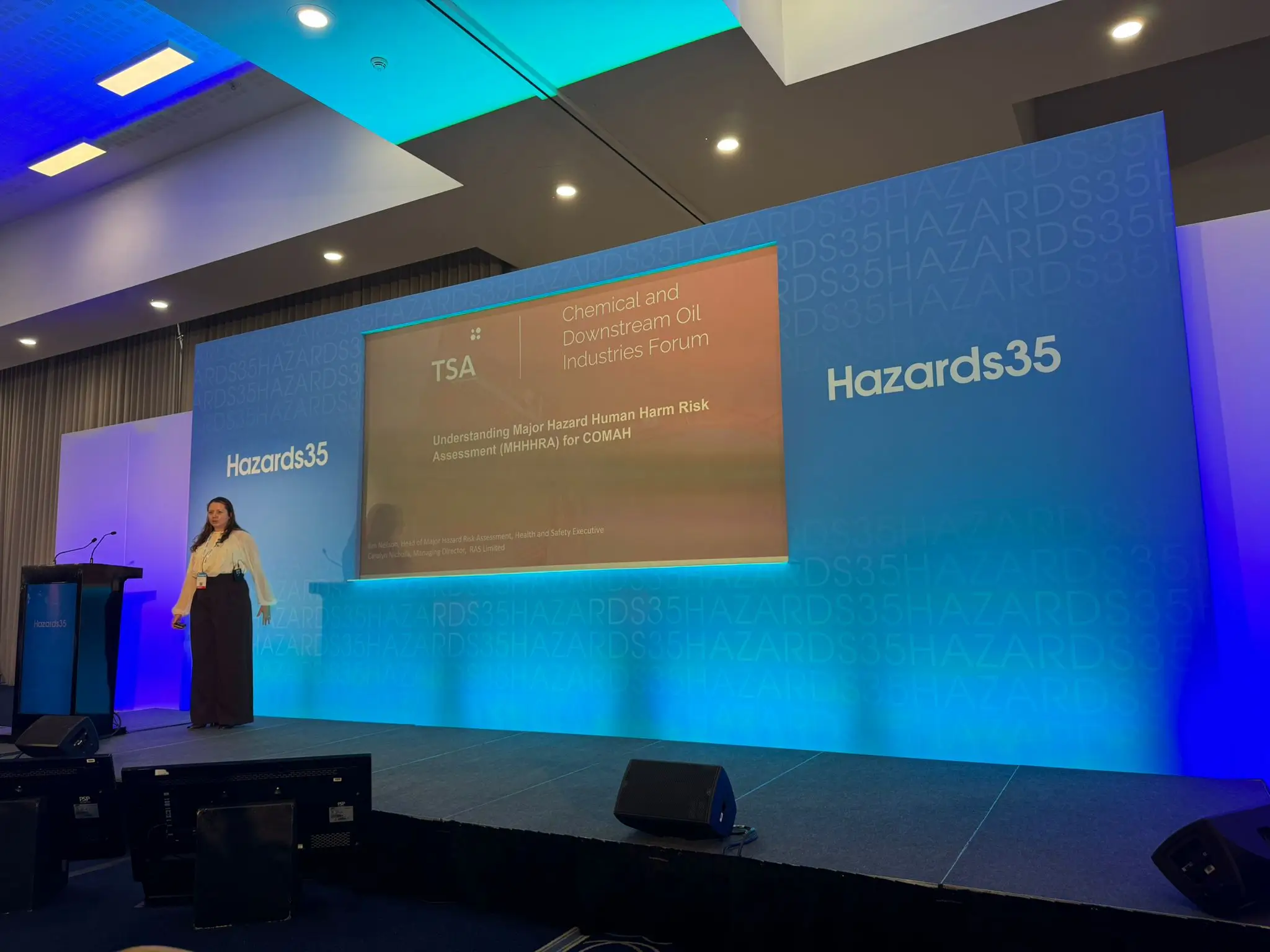
As part of the consultation process Carolyn Nicholls has been heavily involved over the past few months in raising awareness of the new Chemical and Downstream Oil Industries Forum (CDOIF) guidance: Understanding Major Hazard Human Harm Risk Assessment (MHHHRA) for COMAH. During this time, Carolyn has given presentations on the new guidance at the Tank […]