

The ultimate goal of our work is to minimise the impact of the inherent hazards associated with the high-hazard sectors upon our planet. We must protect the world around us, and we support our clients in preventing environmental harm in line with industry good practice.
Our expert knowledge covers a range of techniques to evaluate and minimise the environmental risk posed by your substances and processes.
The impacts from climate change are being felt by us all – from flooding to storms and high winds through to unseasonal cold or heat, tidal surges and sea level rises. Many of these climate related hazards can affect business – causing disruption to operations and supply chains as well as potential harm to people and the environment. We can help you assess your risk and build adaptation and resilience plans for your specific requirements, sites and operations and meet the requirements of the CDOIF Adapting to Climate Chage guidelines.
Before you can evaluate your future risk with climate change, the current level of natural hazard upon your establishment must be evaluated to benchmark against – see NaTech for more information.
Whatever your business sector or type of operation, you could face impacts from natural hazards which could result in consequences for both human safety and the environment. Events such as flooding, storms, heatwaves or wildfires that lead to industrial incidents are known as NaTechs (Natural Hazard Triggered Technological Events).
For sites which fall under COMAH or Environmental Permitting regulations, there is an expectation from the regulator to assess baseline and future risks posed by natural hazards. This includes the creation of an action plan to help mitigate and build resilience, and the creation of and testing of emergency response plans.
At RAS Limited, we have helped shape the sector’s approach to NaTech risk, and we were key contributors to the CDOIF Adapting to Climate Change guidelines.
We can help to support you in your journey to understanding the risks posed to you by NaTech events, building resilience and meeting regulator expectations. Our approach emphasises credible hazard identification, vulnerability assessment, and proportionate risk reduction aligned to operational realities.
We are adept at Environmental Risk Assessment (ERA) in numerous contexts, including but not limited to those specifically for COMAH. Our structured methodology has been developed in line with the Chemical and Downstream Oil Industries Forum (CDOIF) Guideline on Environmental Risk Tolerability for COMAH Establishments.
Our approach has been tried and tested on a range of COMAH establishments as well as non-COMAH sites, receiving praise from clients and even, informally, from the Regulator. It is proven to meet current industry and regulator expectations, is streamlined and clearly structured, using the established Source-Pathway-Receptor model and filtering risks down to those which require the most attention and prioritisation.
From our cross sector work, we identify common experiences across the industry, and the solutions we propose are well received by industry and the Regulator alike. We are dedicated to working proactively, positively, and collaboratively towards future developments and solutions to emerging issues.

We believe adopting environmentally sustainable practices and integrating them into all operations to reduce the risk of harm. It is not only the right thing to do, but it makes good business sense too, often leading to better processes and efficiencies. The key to success is to balance People, Planet and Prosperity – at a strategic business level but also in the actions taken on the ground within a business and in transactions within the supply chain.
Our multi-disciplinary team’s expertise is here to help you meet your sustainability goals and objectives. Whether assessing the impacts of climate change risks on your sites, operations, supply chains and people, or in supporting you in the assessment of climate adaption and meeting regulatory requirements to protect your people and the environment, we can help you.

Assessment of the potential impact of flooding is becoming ever more critical as the frequency and severity of floods are increasing with climate change. RAS can also help you to identify suitable measures for managing your flood risk in a practical and proportionate way.
We are adept at the specific type of flood risk assessment required for planning applications and submissions for hazardous substance consent to meet expectations and manage the flooding risk at high hazard sites.
We also assess the risks posed by floods at industrial sites in more detail as part of NaTech and Climate Change Risk Assessments, which can be streamlined to focus on the natural hazard of flooding as a standalone assessment.
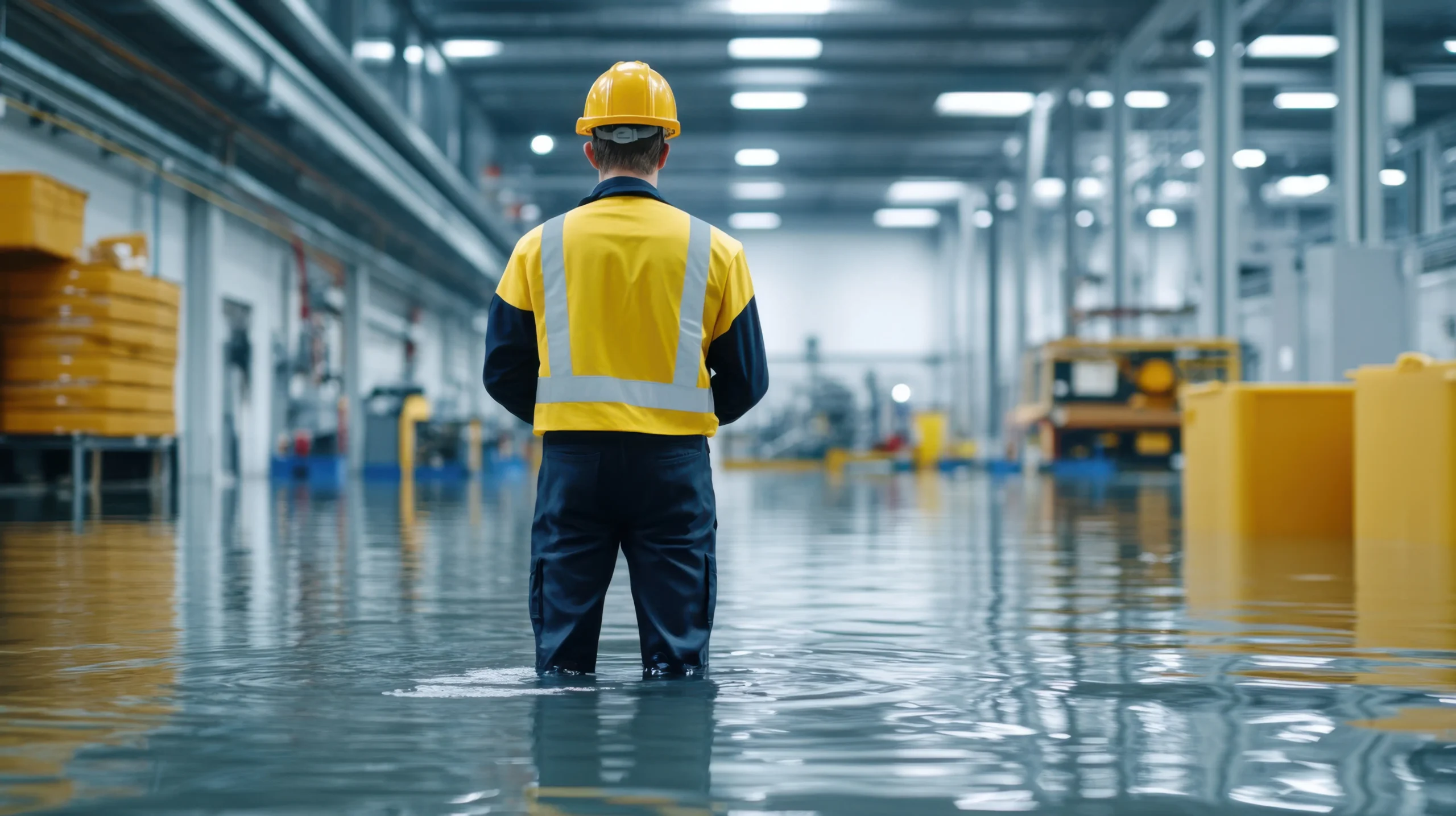
By identifying any gaps in your current containment system, we can work with you to derive a pragmatic solution to ensure that all relevant regulations are met, as well as meeting best practice where reasonably practicable. We do this by conducting a gap analysis against best practice guidance, in particular the Construction Industry Research and Information Association (CIRIA) guide C736, ‘Containment systems for pollution control (2014)’, and other relevant Best Available Techniques guidance.
With the results of this analysis, we can conduct a more detailed containment assessment to understand your level of risk and ensure that you are managing it to an acceptable level.
Our solutions are always tailored to the needs and requirements of your site and for each type of containment. By understanding the risks, the potential volumes to be realistically contained (including firewater), the pathways which liquid may take, and identifying any gaps or improvement opportunities, we can then work with you to derive a pragmatic and workable solution.
We can also help you specify the design requirements (e.g. bund wall heights) for a new site installation or reconfiguration.
We specialise in helping companies apply for, vary, and comply with their environmental permits in accordance with The Environmental Permitting (England and Wales) Regulations 2016.
In doing this we can support you in understanding and interpreting guidance from a variety of sources such as the UK Environment Agency, The European Integrated Pollution Prevention and Control Bureau (EIPPCB), and Best Available Techniques (BAT) reference documents so that we can draw conclusions that are relevant to your activities.
We have experience in supporting Environmental Permit applications for new developments, varying existing permits and undertaking specific aspects of the application such as H1 risk assessments and dispersion modelling.
We will provide bespoke solutions that are the right fit for you and your team.
Hazard identification is evaluating processes and systems to identify potential causes that could result in hazardous consequences. We specialise in helping our clients understand and manage complex risk. Only once your hazards are properly understood can they be managed.
Hazard identification is the bedrock of risk assessment. If the hazard identification technique is incorrect or quality of the study is poor, then all risk analyses, assessments and decisions made based on those studies are of equally low quality, and you cannot be sure that your risks are appropriately managed.
A key area of our expertise is compliance with the requirements of the Control of Major Accident Hazards (COMAH) Regulations 2015, which are designed to minimise the risk of major accidents involving dangerous substances to protect both people and the environment.
Operators of COMAH sites, whether they are a Lower or Upper Tier, must demonstrate that they have taken all measures necessary to minimise the risk of major accidents.
Aspects required under COMAH include a Major Accident Prevention Policy (MAPP), a robust risk assessment, emergency response procedures and for upper tier sites, a COMAH safety report.
We can work with you to develop a bespoke plan that is the right fit for you and proportionate to the level of risk and scale of your operations.
We are innovative, creative and agile. Every piece of work we undertake is bespoke to the needs of our clients.
We have a holistic approach to complex risk management, developing smart solutions which work for you.
Can’t find what you’re looking for? Contact our team here.
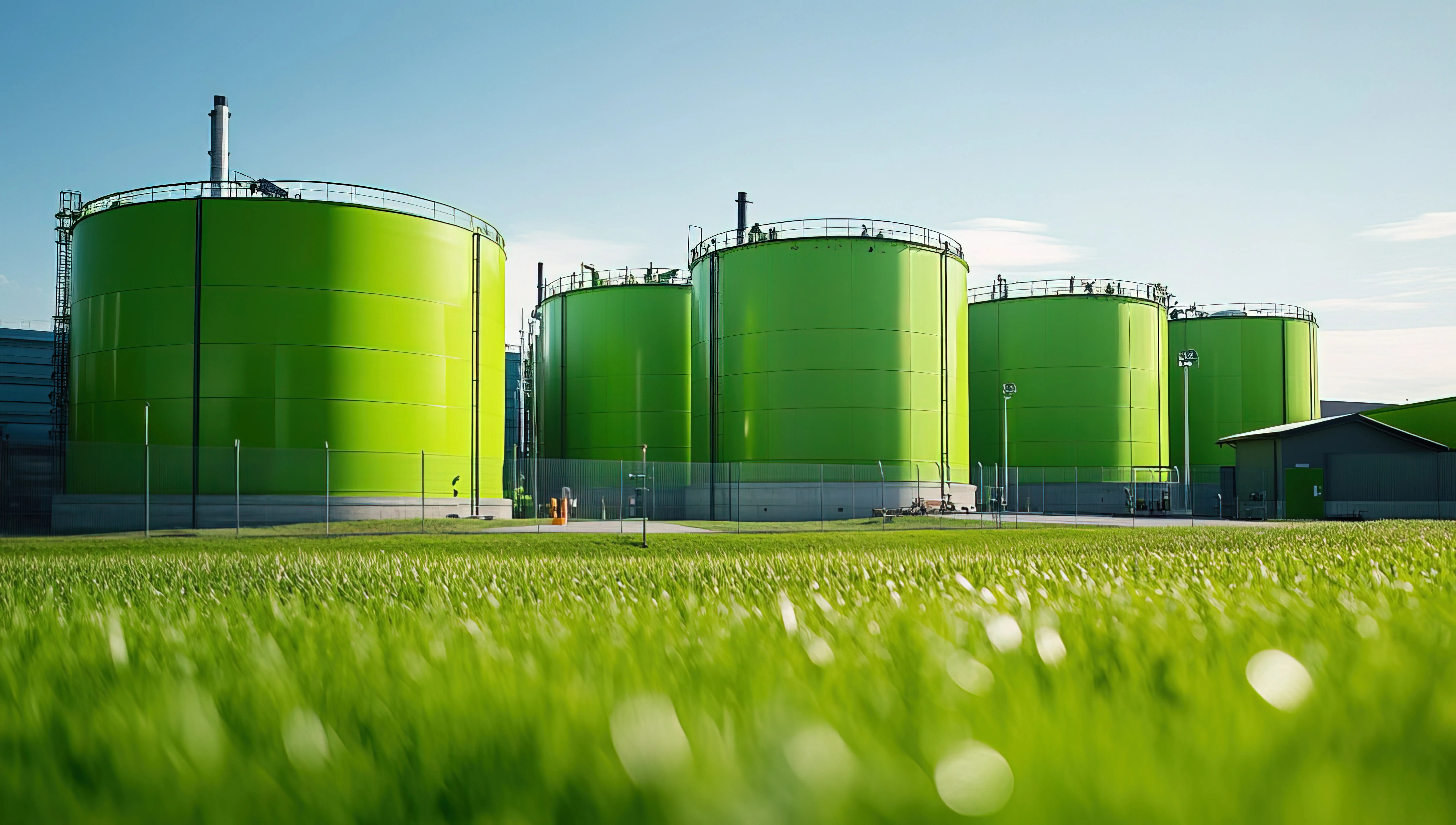
Under the COMAH 2015 regulations, operators must take all measures necessary to minimise the risk of major accidents.

The first step to understanding your risk is identifying your hazards - our experts deliver effective and productive hazard studies.

For new projects and developments, we can provide expert process safety to manage the hazards and minimise risk.
Find out what our team have been up to lately.
We are proud to announce that RAS is a certified #BCorp!

Natural Hazards Triggering Technical Disasters (NaTech) are an ever-growing challenge for the high hazard industries, but how do we assess and manage the risk associated with these events?

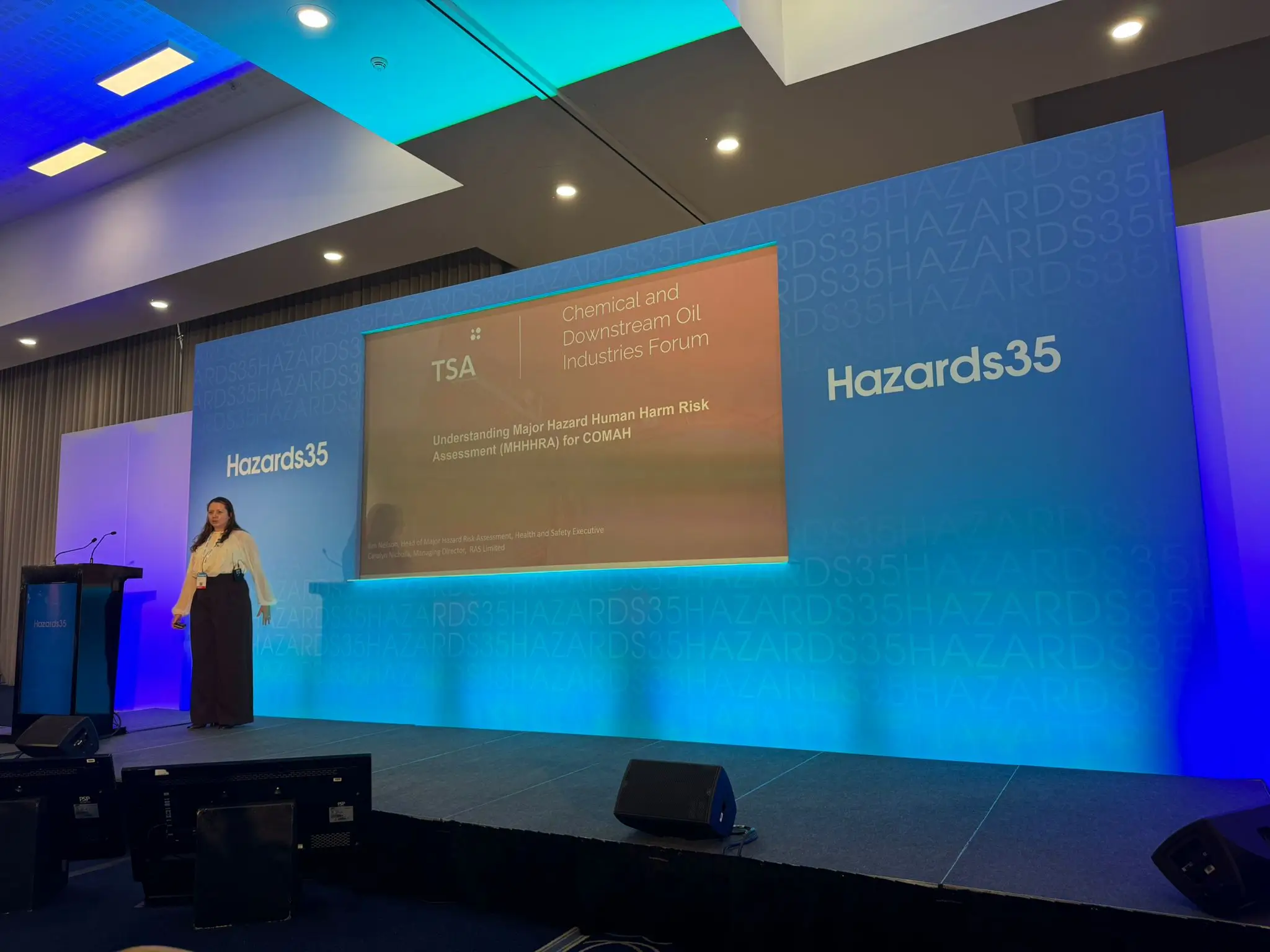
As part of the consultation process Carolyn Nicholls has been heavily involved over the past few months in raising awareness of the new Chemical and Downstream Oil Industries Forum (CDOIF) guidance: Understanding Major Hazard Human Harm Risk Assessment (MHHHRA) for COMAH. During this time, Carolyn has given presentations on the new guidance at the Tank […]