Want to Find Out More About our Process Safety support?
Get in touch today and discover bespoke solutions that are the right fit for you and your team.
We make sense of risk. We partner with you to ensure safety, compliance and resilience in complex high hazard operations, whatever business you’re in.
We have the deep understanding and knowledge to work from first principles, ensuring inherently safe design from the outset where possible. We have a full range of services which can be tailored to your needs.
We are expert in the application of risk analysis and assessment methodologies, ranging from qualitative techniques through to fully quantified approaches.
Fully detailed Quantified Risk Assessment (QRA) is a central part of the work we do. Our expert team are well versed in the assessment and calculations required to evaluate the risk profile of an establishment. This includes both the assessment of safety risk to people and the environmental risk to surrounding receptors. We are experienced in performing risk calculations to determine scenario risk, the overall site risk and individual risk posed to respective worker roles. We can meet your requirements on risk presentation including the development of an FN curve for the facility.
We will translate the output of a QRA to communicate your risk picture in a straightforward and concise way. We give you the clarity to make informed risk based decisions without diving into the complexity of the numbers.
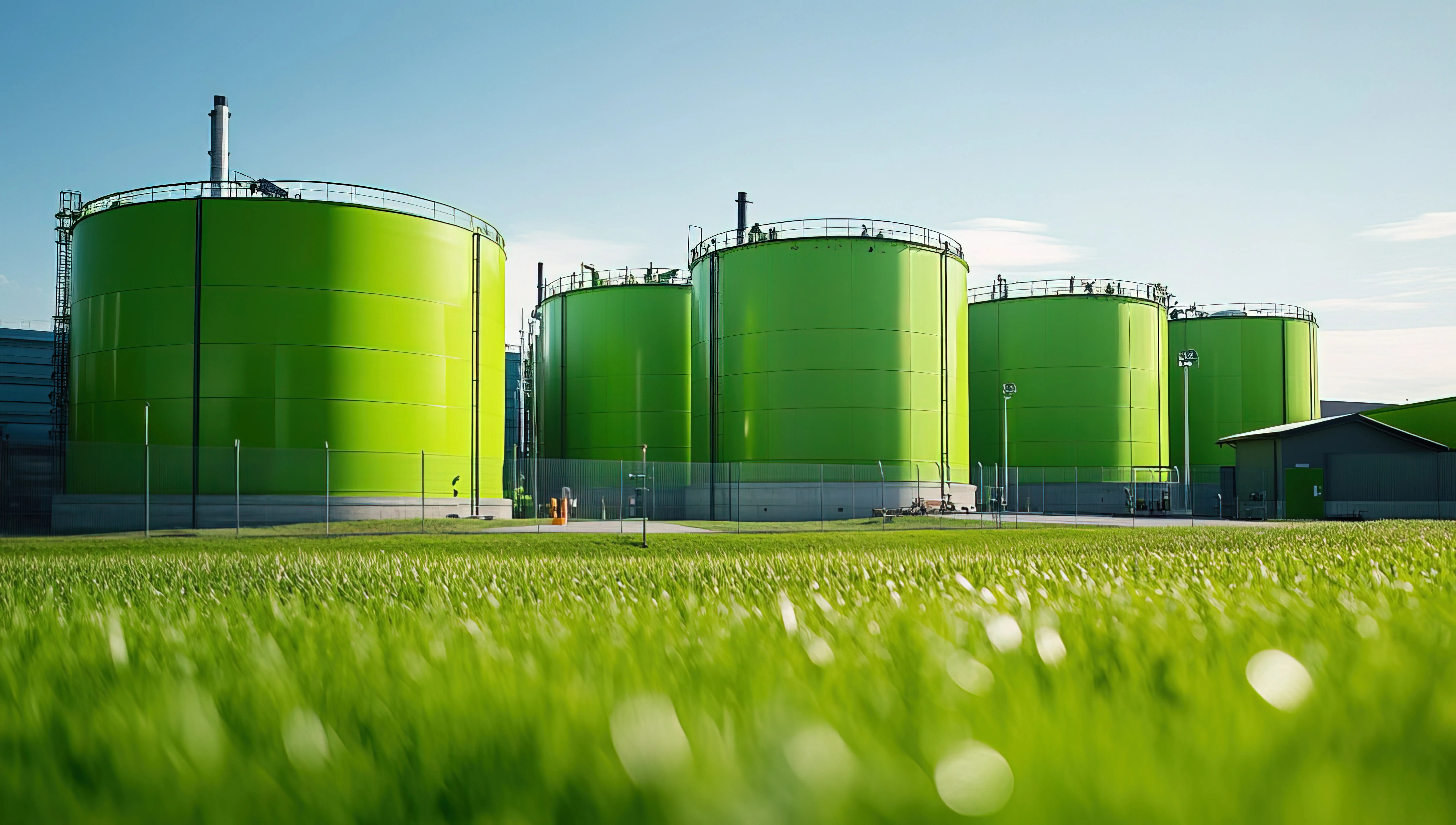
Layer of Protection Analysis (LOPA) is one of the most effective tools at our disposal to determine whether adequate risk controls are in place for a particular scenario.
The LOPA process methodically considers the reliability of protective layers in place in a system to mitigate the chance of a catastrophic event and provide a conservative, reliable semi-quantified estimation of risk. We have a team of certified Functional Safety Engineers who can facilitate your LOPA studies and utilise their extensive experience to avoid common pitfalls. We ensure your LOPAs are effective, efficient, meet the standard required and are simple to implement.
We can then support you to ensure the LOPA studies are properly integrated into your Functional Safety Management System.
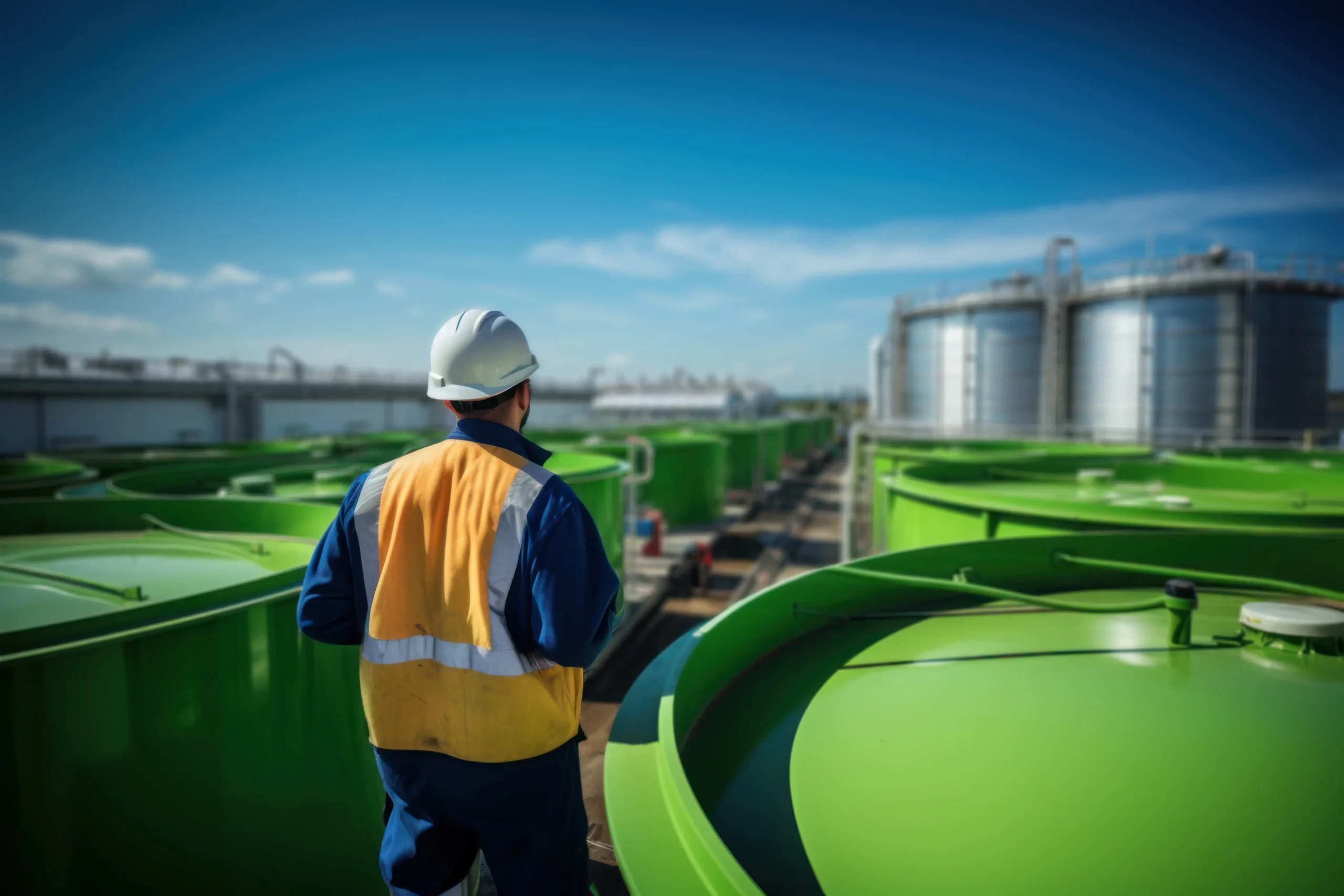
We have experience in performing Occupied Buildings Risk Assessments (OBRA) for both new developments and existing facilities.
An OBRA evaluates the major accident hazard risks posed to people while they are located in buildings. Depending on the nature of the hazards, buildings may be impacted by fires, explosions, or toxic releases. By assessing the potential impact and considering the construction of the building, the level of harm to which building occupants will be exposed can be determined.
The results of the OBRA can determine whether the risk to a building’s occupants is tolerable and, ultimately, whether the buildings on a site are providing suitable protection for the people working in them.
For new developments, an OBRA may include consideration of different building locations and plant layout to determine the best choice from a risk perspective and minimise the risk posed to people. The earlier in the project timeline that building siting is considered, the better.
The Dangerous Substances and Explosive Atmospheres Regulations (DSEAR) 2002 place duties on employers to control the risks posed to both workers and the public from fire, explosions, and substances corrosive to metals.
We can support you with all aspects of DSEAR compliance, from performing a gap analysis against good practice and identifying areas for improvement, through to documenting your systems in a Compliance Manual or Explosion Protection Document.
We can support you with:

We utilise relevant British Standards (BS EN 60079 series) and other industry guidance including EI 15, flammable mist research and industry specific guidance (such as IGEM, Liquid Fuels UK etc) to determine hazardous areas. Schedules are produced by reviewing documentation such as drawings and safety data sheets in combination with walking around the site to capture all potential release points. The schedule details the nature and shape of the hazardous area, which allows for drawings to be produced and equipment to be appropriately selected.
Hazardous area drawings can be produced utilising the information described within the hazardous area schedule that show the extent and type of zone at each location. In addition to plans, side elevations can also be produced to show additional relevant detail where required.
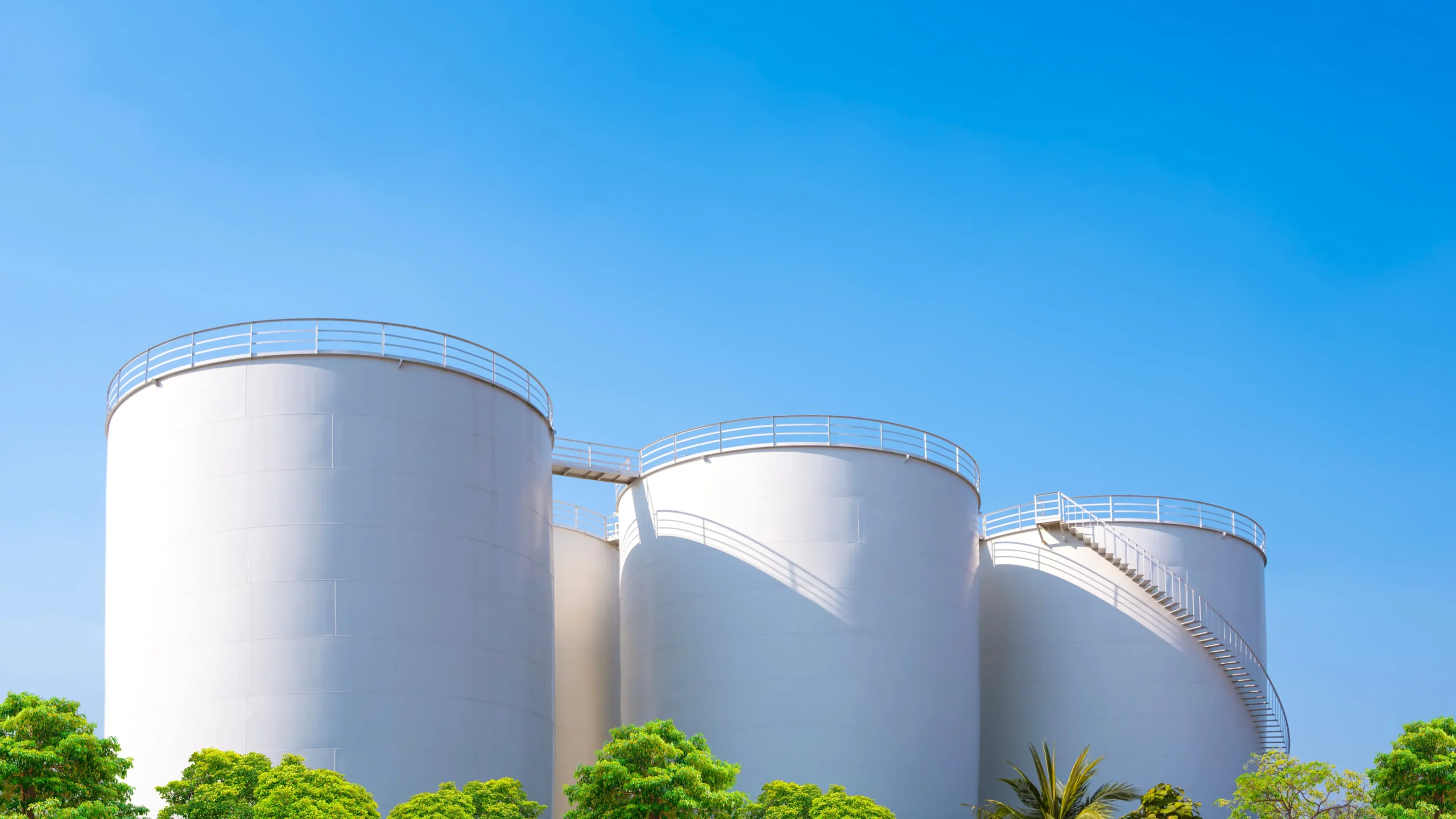
Consequence Modelling is a vital tool used to estimate the physical effects of loss of containment scenarios involving flammable, explosive and toxic materials. We can use it to determine the potential impact on people, assets and the environment that could arise due to the release of hazardous materials.
We are experienced in a range of techniques including ADMS, Phast and CFD, which we can use to model your specific case. Modelling can help understand the release as it occurs, and it considers the phase of the release (liquid, vapour, 2-phase) and behaviour of the material before determining the dispersion.
We utilise modelling to determine the extent of hazardous consequences by considering toxic dose, different types of fires (flash fires, pool fires, jet fires, spray fires), VCEs (Vapour Cloud Explosions), Vessel Burst and BLEVEs (Boiling Liquid Expanding Vapor Explosion).
We will adapt the software at our disposal for your specific modelling needs, whether this be standalone cases to confirm an appropriate vent location or a full suite of major accident hazard scenarios as an input into a QRA. We have a deep understanding of the underpinning theory behind the software, meaning we can meaningfully interpret the results of the modelling and make it make sense to you.

Get in touch today and discover bespoke solutions that are the right fit for you and your team.
Hazard identification is evaluating processes and systems to identify potential causes that could result in hazardous consequences. We specialise in helping our clients understand and manage complex risk. Only once your hazards are properly understood can they be managed.
Hazard identification is the bedrock of risk assessment. If the hazard identification technique is incorrect or quality of the study is poor, then all risk analyses, assessments and decisions made based on those studies are of equally low quality, and you cannot be sure that your risks are appropriately managed.
A key area of our expertise is compliance with the requirements of the Control of Major Accident Hazards (COMAH) Regulations 2015, which are designed to minimise the risk of major accidents involving dangerous substances to protect both people and the environment.
Operators of COMAH sites, whether they are a Lower or Upper Tier, must demonstrate that they have taken all measures necessary to minimise the risk of major accidents.
Aspects required under COMAH include a Major Accident Prevention Policy (MAPP), a robust risk assessment, emergency response procedures and for upper tier sites, a COMAH safety report.
We can work with you to develop a bespoke plan that is the right fit for you and proportionate to the level of risk and scale of your operations.
We are innovative, creative and agile. Every piece of work we undertake is bespoke to the needs of our clients.
We have a holistic approach to complex risk management, developing smart solutions which work for you.
Can’t find what you’re looking for? Contact our team here.

The first step to understanding your risk is identifying your hazards - our experts deliver effective and productive hazard studies

To protect our planet, we must evaluate and manage the risk posed to the environment by our hazardous substances and processes.

An effective management system is essential to oversee the control of major accident hazards- getting it right is good for business.
Find out what our team have been up to lately.

CDOIF Environmental Risk Tolerability for COMAH

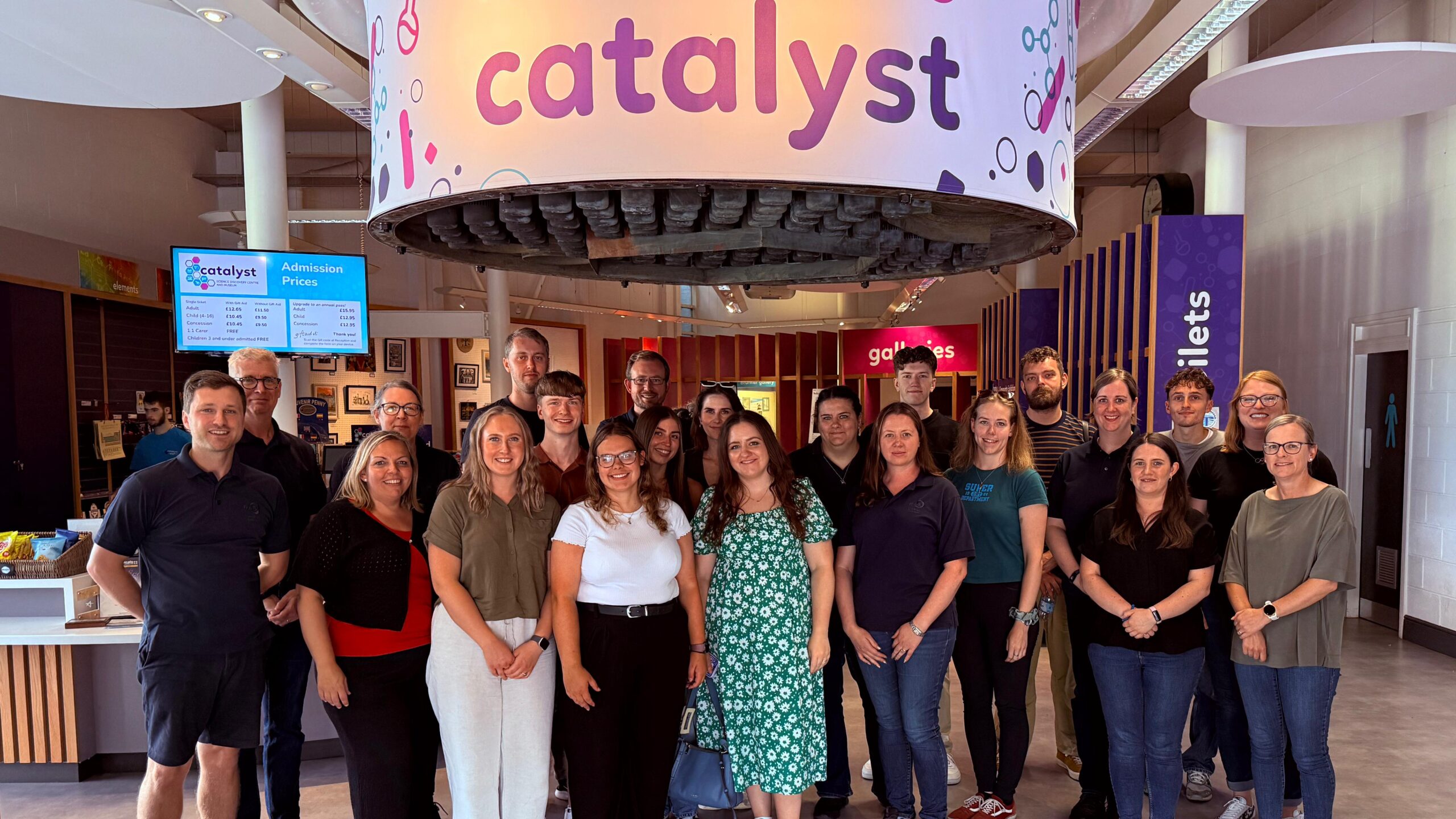
This year we held our annual RAS Team Day at the Catalyst Science Discovery Centre and Museum!

Implementing simple changes in behaviours and attitudes can go a long way to reducing the burden of the COMAH review process, streamlining the path to successful results.