

Awareness, understanding and effective management of human factors is crucial to manage Major Accident Hazard risks. Factors related to the job, environment and organisation, as well as an individual’s characteristics, may influence human behaviour.
RAS can help you to identify and address human factors issues and ensure you comply with the latest industry guidance. We provide support and advice in all core areas of human factors including managing human performance and risk assessment, process design, COMAH-critical communications, procedure management and design, management of competence and training, and managing organisational factors.
We have an abundance of knowledge and experience in Safety Critical Task Analysis (SCTA) (also referred to as Hierarchical Task Analysis (HTA) and Human Reliability Analysis (HRA)).
We can support in the identification of safety critical tasks and prioritisation to ensure those tasks with the highest risk are analysed first in a proportionate and systematic manner.
The SCTA for each task is facilitated by one of our human factors specialists through a series of workshops. These sessions will include a walk-through, talk-through of the task with the people who perform it to ensure that the analysis accurately reflects work-as-done. During the SCTA, the task is stepped out in terms of the actions and mental processes required to achieve a goal – this part of the process is referred to as Hierarchical Task Analysis (HTA). Each step is then analysed to determine the potential for human error, the consequences of that error, factors which affect human ability to perform the step and the safeguards in place to prevent the error from occurring – this part of the process can also be referred to as Human Reliability Analysis (HRA).
Following the completion of the SCTA, we will work with you to develop recommendations to reduce the potential for human error which are pragmatic and practical for your particular tasks. We can also help you to define and implement a site standard for assessing human factors, which follows industry good practice.
Control room design can have a significant impact on how major accident hazards are managed at a site. Issues around the amount of space, accessibility to equipment and the working environment, including lighting, temperature and noise levels, can all affect human performance and make errors with the potential to have safety consequences more likely. Similarly, issues with SCADA system design, such as process graphics, navigation links and alarm displays also impact on human performance and the likelihood of safety consequences.
We can help you to assess your control room design including layout and SCADA system design and identify improvements to ensure the working environment is optimal to enhance human performance and reduce the potential for human error.
We review current and proposed control room designs against the latest industry guidance and use our extensive knowledge of human factors and the management of major accident hazards to ensure your control room is compliant with the latest industry expectations and provides a safe and reliable environment for performing tasks.

Alarm systems are critical in enabling an effective and efficient response to potential problems with equipment and systems on major accident hazard sites.
RAS can provide support in ensuring that alarm systems are appropriately designed, managed and prioritised to ensure a reliable response to alerts which could lead to dangerous plant conditions. This includes support in using alarm data and performance metrics to determine alarm system performance, enabling the identification of any issues or weaknesses in the system and subsequent potential improvements to ensure alarm systems are effective and comply with relevant industry guidance.

We will provide bespoke solutions that are the right fit for you and your team.
Hazard identification is evaluating processes and systems to identify potential causes that could result in hazardous consequences. We specialise in helping our clients understand and manage complex risk. Only once your hazards are properly understood can they be managed.
Hazard identification is the bedrock of risk assessment. If the hazard identification technique is incorrect or quality of the study is poor, then all risk analyses, assessments and decisions made based on those studies are of equally low quality, and you cannot be sure that your risks are appropriately managed.
A key area of our expertise is compliance with the requirements of the Control of Major Accident Hazards (COMAH) Regulations 2015, which are designed to minimise the risk of major accidents involving dangerous substances to protect both people and the environment.
Operators of COMAH sites, whether they are a Lower or Upper Tier, must demonstrate that they have taken all measures necessary to minimise the risk of major accidents.
Aspects required under COMAH include a Major Accident Prevention Policy (MAPP), a robust risk assessment, emergency response procedures and for upper tier sites, a COMAH safety report.
We can work with you to develop a bespoke plan that is the right fit for you and proportionate to the level of risk and scale of your operations.
We are innovative, creative and agile. Every piece of work we undertake is bespoke to the needs of our clients.
We have a holistic approach to complex risk management, developing smart solutions which work for you.
Can’t find what you’re looking for? Contact our team here.

An effective management system is essential to oversee the control of major accident hazards- getting it right is good for business.

For new projects and developments, we can provide expert process safety to manage the hazards and minimise risk.

Under the COMAH 2015 regulations, operators must take all measures necessary to minimise the risk of major accidents.
Find out what our team have been up to lately.

CDOIF Environmental Risk Tolerability for COMAH

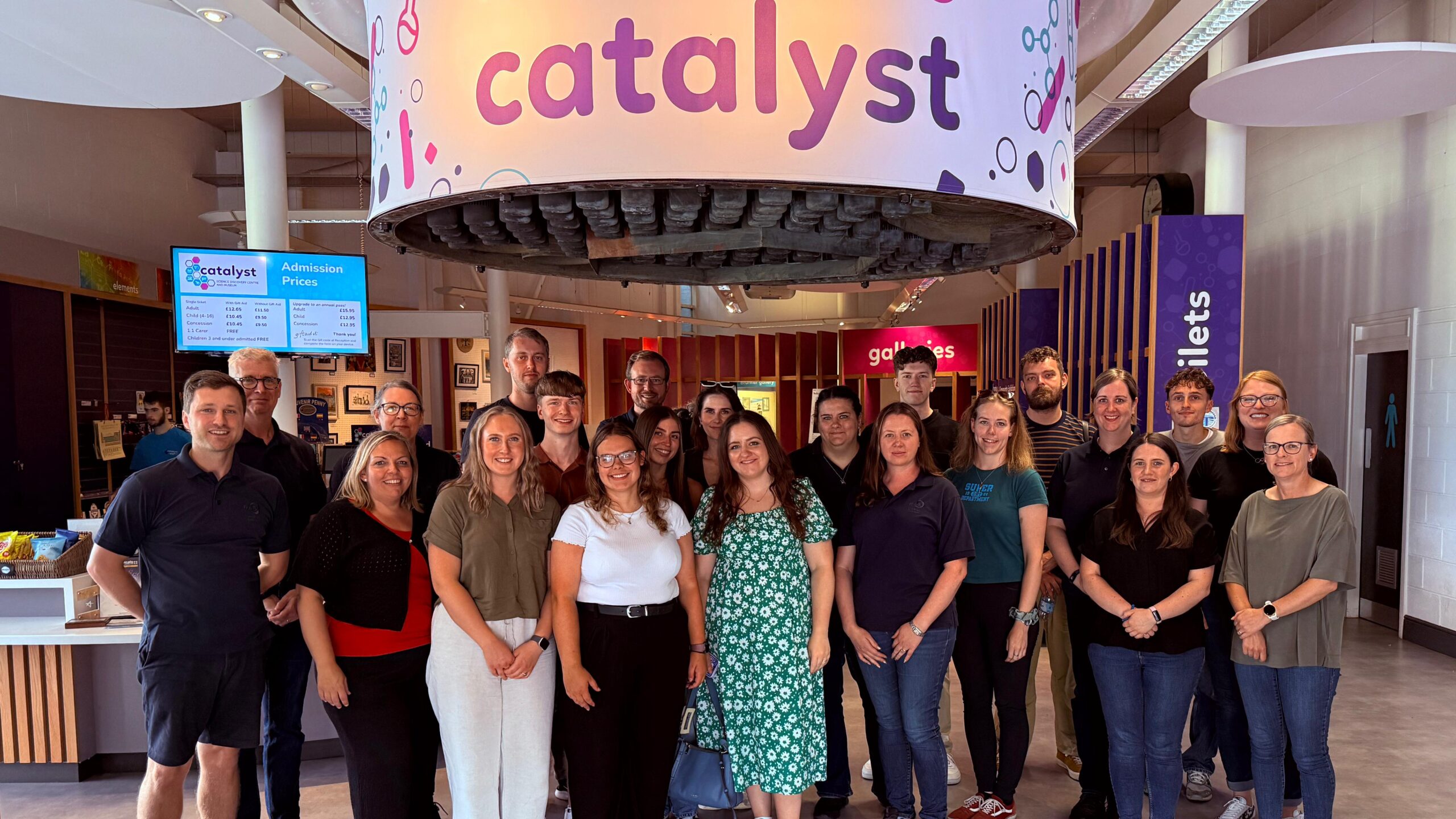
This year we held our annual RAS Team Day at the Catalyst Science Discovery Centre and Museum!

Implementing simple changes in behaviours and attitudes can go a long way to reducing the burden of the COMAH review process, streamlining the path to successful results.