Want to Find Out More About our Process Safety support?
Get in touch today and discover bespoke solutions that are the right fit for you and your team.
Our knowledge and experience span the full spectrum of hazard identification techniques, and we will design a study to suit the particular needs of your project by selecting the right tools at the right time to produce valuable outputs.
Whether you are looking for the full range of hazard studies from HS1 through to HS5, a standalone HAZID or a longer term HAZOP revalidation process, we can find the right approach for your bespoke needs.
Facilitating quality HAZOP studies is at the core of what we do at RAS. Our experienced HAZOP chairpersons have the skills to read the room and can streamline the process, making your HAZOP studies more effective and productive.
All of our HAZOP studies comply with industry good practice, as well as meeting any specific company requirements.
We pride ourselves on being particular, precise, and diligent, avoiding capturing ‘as above’ in studies and describing the full extents of consequences.
As a firm specialising in risk assessment, we can integrate our wider knowledge into the HAZOP process, providing additional technical input and supporting the progression from the HAZOP into LOPA or full QRA.

At RAS we find the hazard identification tool that is right for you and Hazard Identification (HAZID) is particularly effective at an early stage of a project. This technique uses a top -down approach to document the broad hazard types of present, inherent to the substances or the processes performed.
Our RAS chairpersons have the thorough knowledge and experience to streamline the process, facilitating HAZID studies that are effective and productive.
RAS adopt a systematic approach in line with industry best practice, which is flexible to your bespoke needs and requirements.

Failure Mode and Effect Analyses (FMEA) is a comprehensive tool used to identify potential failure mechanisms and determine the predicted effects.
At RAS we are experienced in the facilitation and development of FMEA in a range of different applications across different sectors. FMEA is a flexible tool that we can utilise to help you understand the reliability of key components or critical steps in your process. We recommend FMEA where you want to understand the safety, reliability, and quality implications of equipment failures.
The output from an FMEA will provide valuable insights to inform maintenance regimes and feed into further risk analysis.

Get in touch today and discover bespoke solutions that are the right fit for you and your team.
Hazard identification is evaluating processes and systems to identify potential causes that could result in hazardous consequences. We specialise in helping our clients understand and manage complex risk. Only once your hazards are properly understood can they be managed.
Hazard identification is the bedrock of risk assessment. If the hazard identification technique is incorrect or quality of the study is poor, then all risk analyses, assessments and decisions made based on those studies are of equally low quality, and you cannot be sure that your risks are appropriately managed.
A key area of our expertise is compliance with the requirements of the Control of Major Accident Hazards (COMAH) Regulations 2015, which are designed to minimise the risk of major accidents involving dangerous substances to protect both people and the environment.
Operators of COMAH sites, whether they are a Lower or Upper Tier, must demonstrate that they have taken all measures necessary to minimise the risk of major accidents.
Aspects required under COMAH include a Major Accident Prevention Policy (MAPP), a robust risk assessment, emergency response procedures and for upper tier sites, a COMAH safety report.
We can work with you to develop a bespoke plan that is the right fit for you and proportionate to the level of risk and scale of your operations.
We are innovative, creative and agile. Every piece of work we undertake is bespoke to the needs of our clients.
We have a holistic approach to complex risk management, developing smart solutions which work for you.
Can’t find what you’re looking for? Contact our team here.

We bring clarity to held you understand your risk, transforming complex assessments into concise outputs.
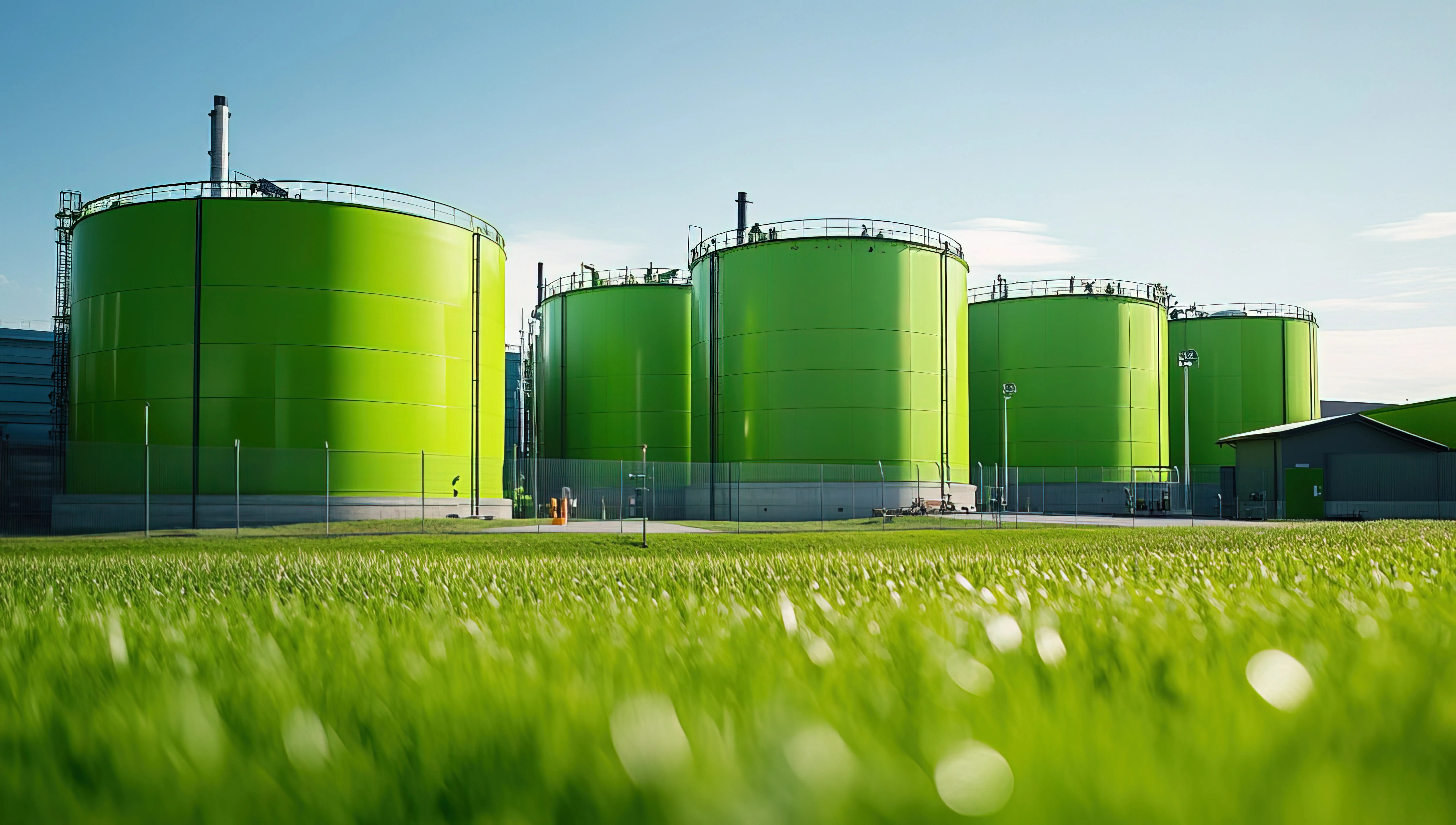
Under the COMAH 2015 regulations, operators must take all measures necessary to minimise the risk of major accidents.

Managing human factors is key to preventing major accidents, but is also beneficial for system performance and business productivity.
Find out what our team have been up to lately.

CDOIF Environmental Risk Tolerability for COMAH

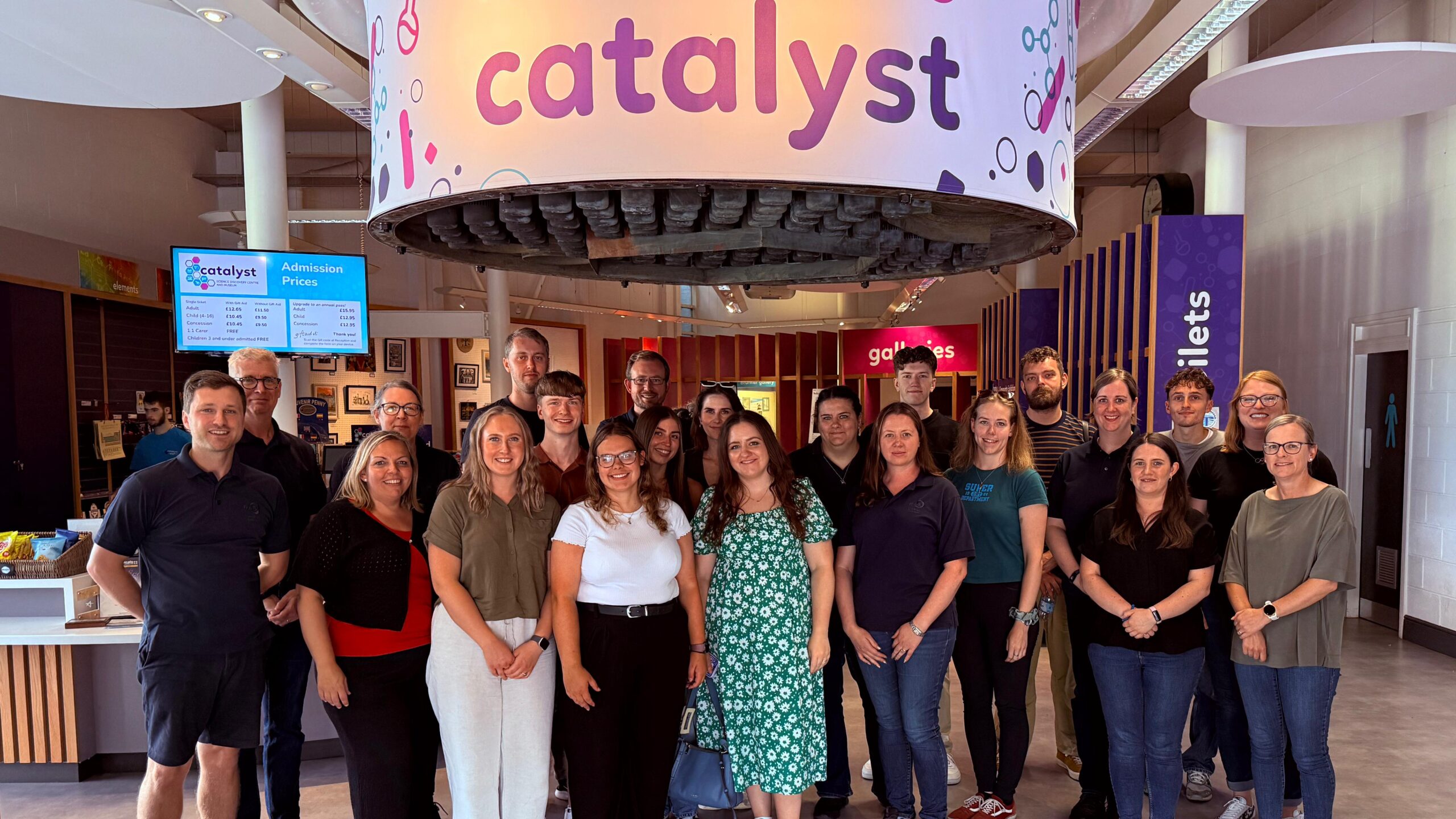
This year we held our annual RAS Team Day at the Catalyst Science Discovery Centre and Museum!


Implementing simple changes in behaviours and attitudes can go a long way to reducing the burden of the COMAH review process, streamlining the path to successful results.